Call us now:
Gallery
VATNSDALSÁ RIVER
A FLY FISHING ADVENTURE
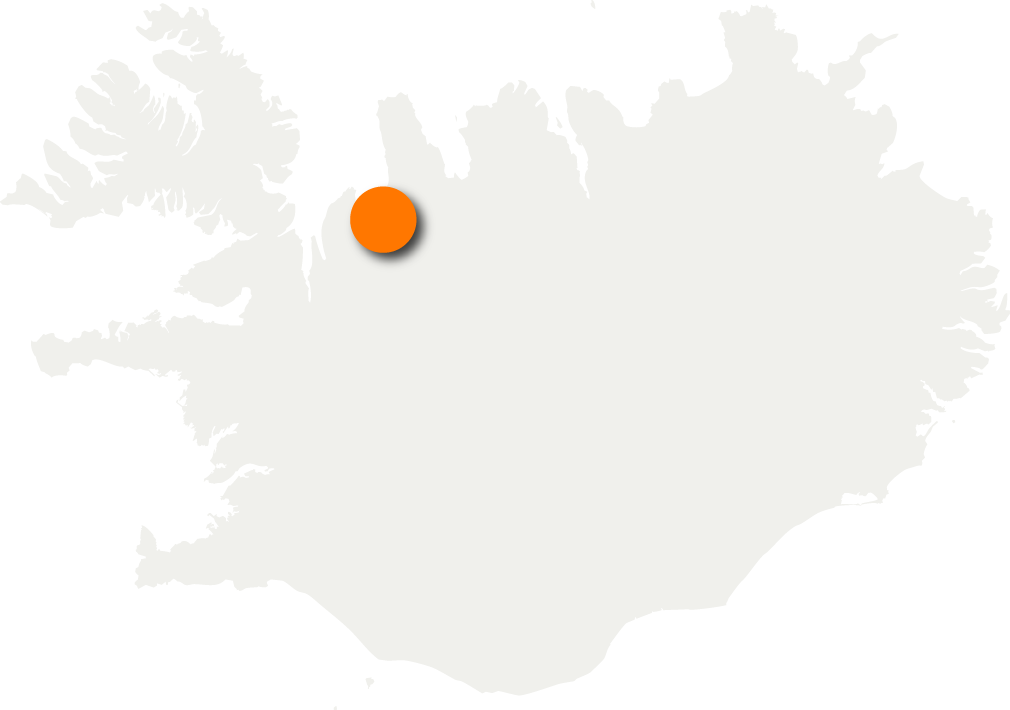
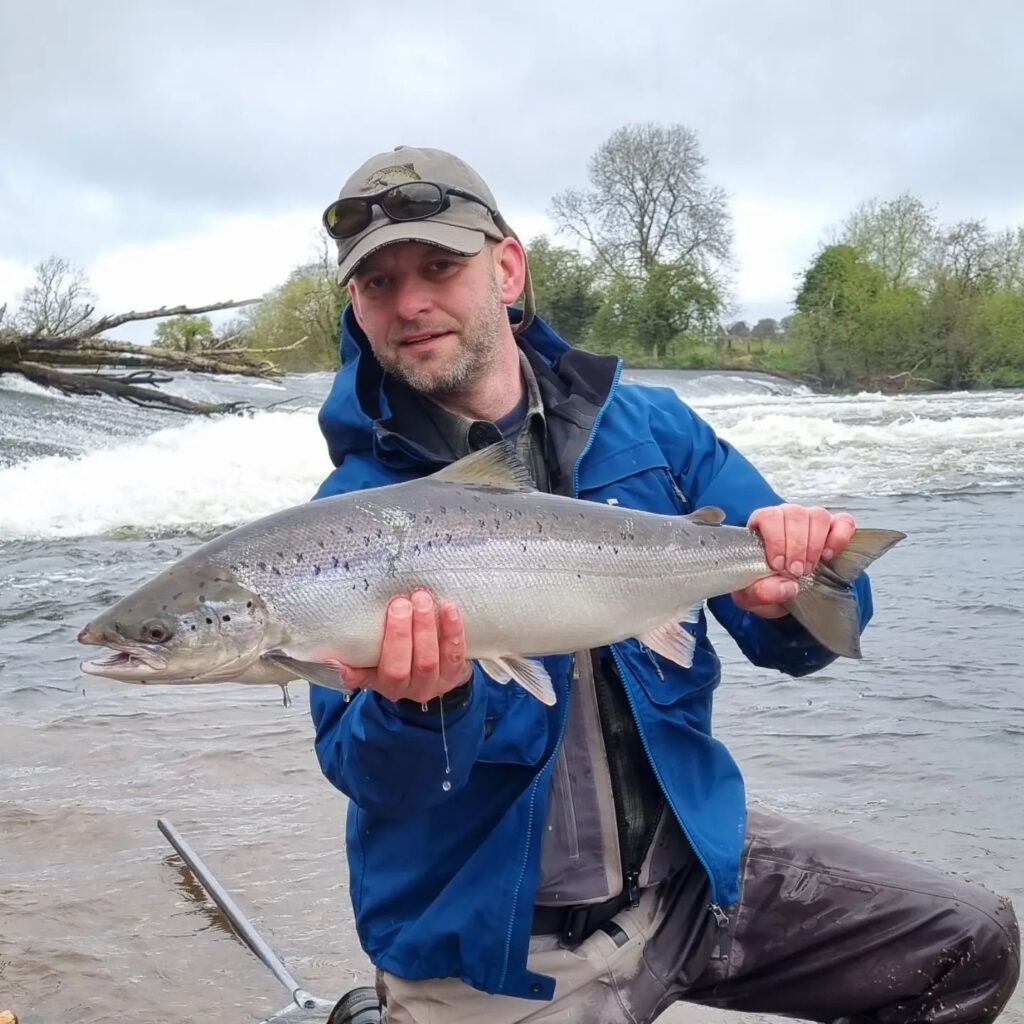
Set in one of Iceland’s most beautiful valleys, Vatnsdalsá is a river of contrasts, offering both tranquility and thrilling action for anglers. Its crystal-clear waters provide ideal conditions for fly-fishing, and its catch-and-release policy ensures a sustainable experience. Salmon are the main attraction, with an impressive average size, but the river also holds Arctic char, sea-trout known for their explosive fights, and brown trout, adding to the river’s diverse ecosystem.

The Fishing Experience
With well-managed fishing beats and experienced guides, Vatnsdalsá provides both challenge and reward. Anglers can explore its two fishing sections: one dedicated to salmon, including the tributary Álka, and another for trout and char. The Flóðvangur Lodge at Vatnsdalsá blends classic fishing lodge charm with modern comfort, a welcoming retreat where anglers unwind after a rewarding day on the river.
Lorem Ipsum ©Björn K. Rúnarsson
Lorem Ipsum ©Björn K. Rúnarsson
Lorem Ipsum ©Björn K. Rúnarsson
Lorem Ipsum ©Björn K. Rúnarsson
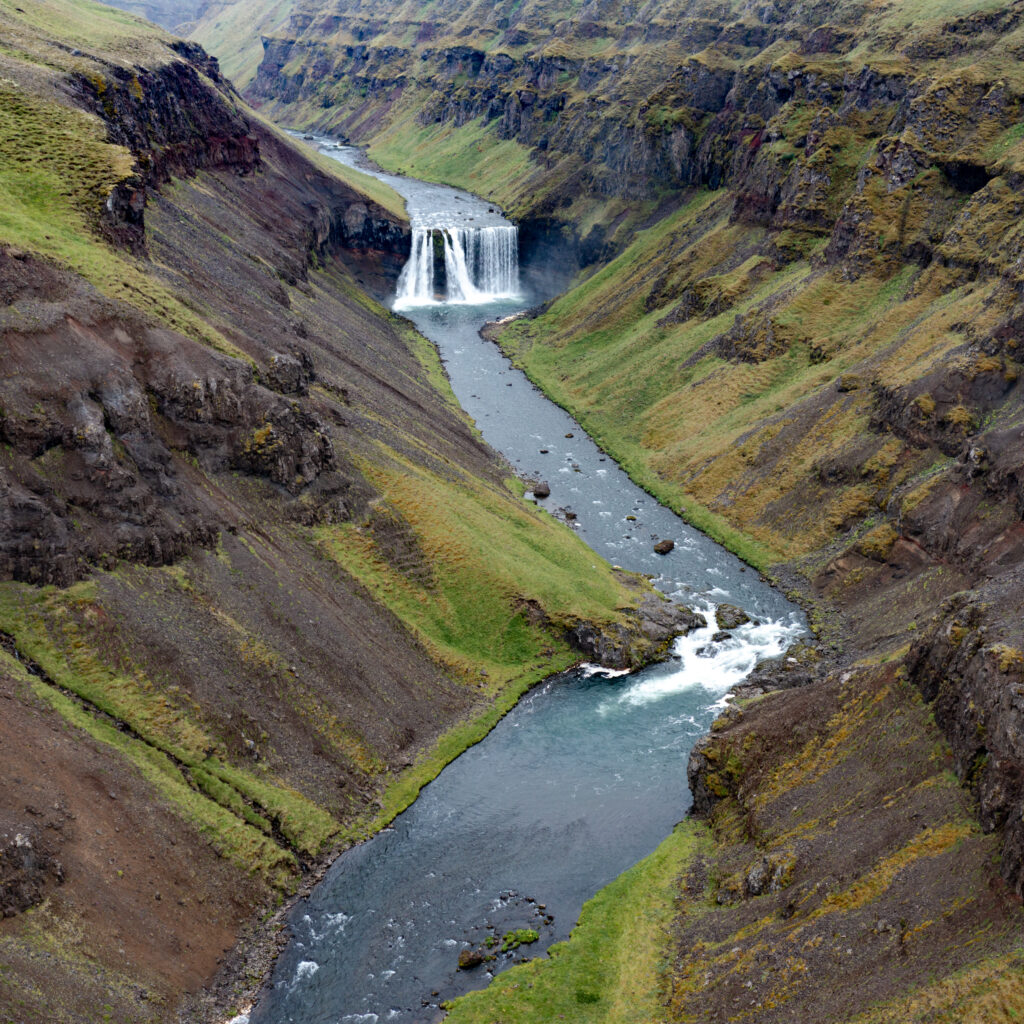
A River Shaped by Nature
With well-managed fishing beats and experienced guides, Vatnsdalsá provides both challenge and reward. Anglers can explore its two fishing sections: one dedicated to salmon, including the tributary Álka, and another for trout and char. The Flóðvangur Lodge at Vatnsdalsá blends classic fishing lodge charm with modern comfort, a welcoming retreat where anglers unwind after a rewarding day on the river.
Lorem Ipsum ©Björn K. Rúnarsson
Lorem Ipsum ©Björn K. Rúnarsson
Lorem Ipsum ©Björn K. Rúnarsson
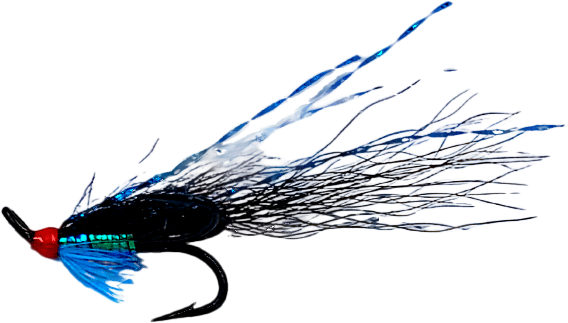
Lorem Ipsum ©Björn K. Rúnarsson
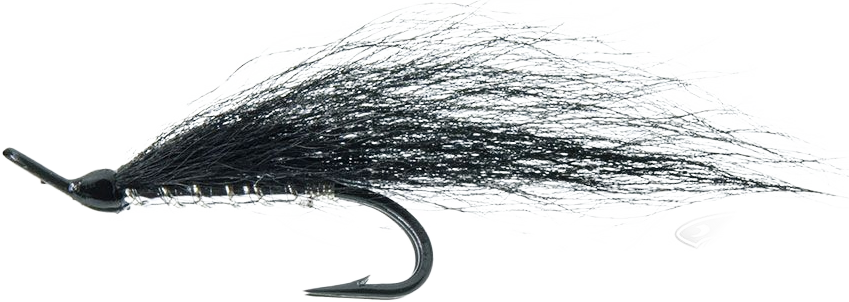
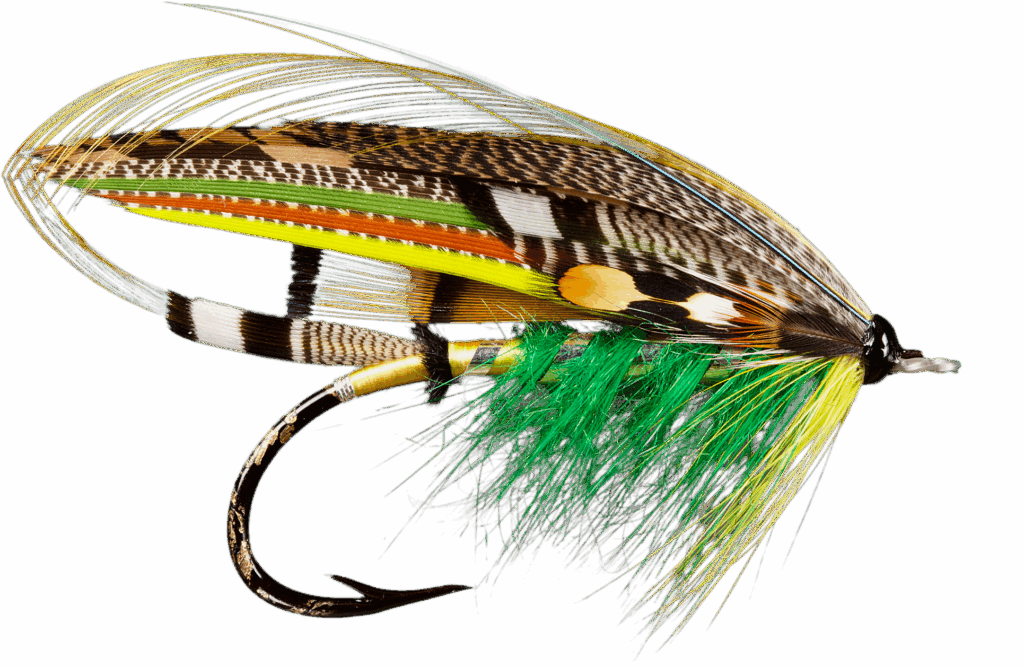
Frances
Created by Peter Deane in the 1960s, the Frances fly was designed as a prawn imitation and quickly proved its effectiveness. Named after Deane’s assistant, Frances Hydon, it became a dominant pattern in Iceland and remains essential for Atlantic salmon across Northern Europe and Russia.
Follow the Guide
The guides at Vatnsdalsá share a deep passion for salmon fishing and the river itself. Over time, they’ve learned the pools, the shifting moods, where the fish hold, and how to choose the right fly as the water responds to changing conditions. They work with anglers of all skill levels—guiding beginners through their first casts and sharing insights with experienced anglers, including some techniques that work especially well on this river. Some anglers prefer a guide by their side at all times, while others like to find their own rhythm. The guides are used to both and adjust accordingly. Each one drives a 4×4, moving between pools as needed, always keeping an eye on where the next opportunity might be.
Lorem Ipsum ©Björn K. Rúnarsson

Catch, release, sustain
Vatnsdalsá was the first salmon river in Iceland to fully implement catch and release, adopting the practice in 1997. This approach supports sustainable fisheries, maintaining healthy salmon populations and protecting genetic diversity. By handling fish with care, anglers help maintain the river’s balance and keep the tradition of fly-fishing alive. Although natural fluctuations in salmon numbers will always occur, anglers can contribute to the river’s balance by giving salmon the benefit of the doubt through catch and release. This practice offers an advantage, helping to support the ongoing cycles of wild salmon.
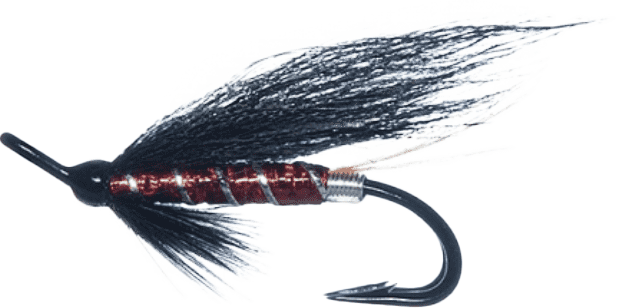
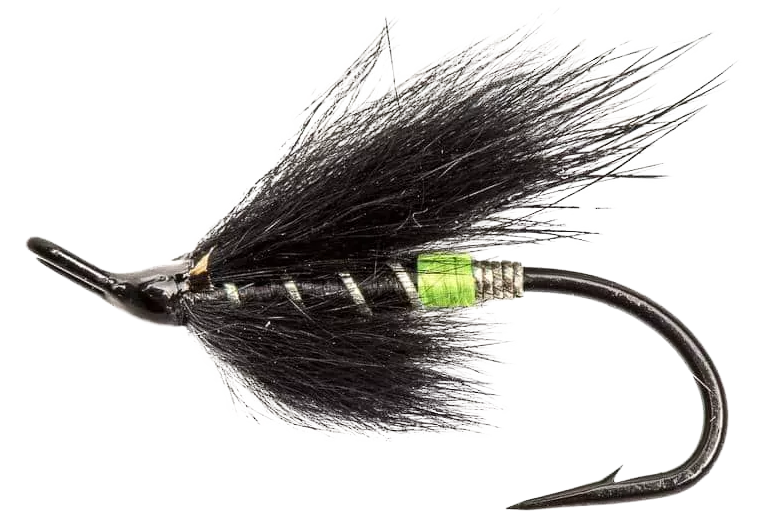
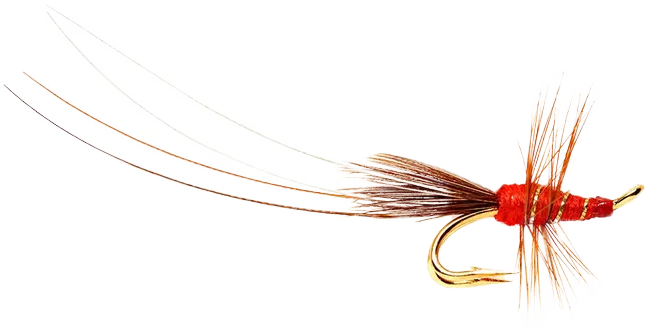
Black Brahan
Originating in Scotland, the Black Brahan is a classic Atlantic salmon fly, known for its black wing, red body, and yellow tail. Effective in various conditions, it inspired the Green Brahan, a variation with a green body for low, clear water.